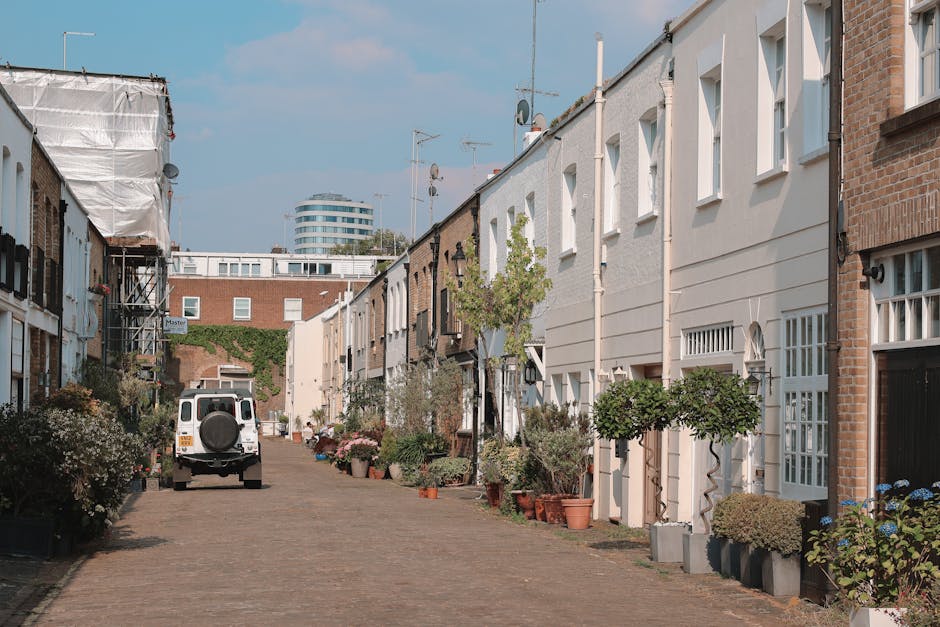
Clapham Road house removals tips for narrow access

If you are planning a move near Clapham Road, narrow access can turn a straightforward house removal into a bit of a puzzle. Tight front gardens, basement steps, shared hallways, awkward parking, low-hanging branches, and the usual London traffic can all slow things down if you do not plan properly. The good news? With the right preparation, a calm approach, and a removals team that knows how to work in tight spaces, the day can still run smoothly.
This guide breaks down practical Clapham Road house removals tips for narrow access in plain English. You will learn how to assess access, protect your belongings, reduce delays, and decide when it makes sense to use smaller vehicles, extra carrying equipment, or temporary storage. Truth be told, narrow access is less of a disaster than people fear. It just needs a smarter plan.
- Why narrow access matters
- How the move works in practice
- Key benefits and practical advantages
- Who this advice is for
- Step-by-step guidance
- Expert tips for better results
- Common mistakes to avoid
- Tools, resources and recommendations
- Law, compliance and best practice
- Options and comparison table
- Real-world example
- Practical checklist
- Conclusion
- Frequently asked questions
Why Clapham Road house removals tips for narrow access Matters
Narrow access changes almost every part of a house move. A van may not be able to park directly outside. Furniture might need to be carried farther. You may need more people on the job, more protective packing, or a smaller shuttle vehicle to bridge the gap between the property and the main removals lorry. If you do not think through those details early, the move can become slower, more expensive, and far more stressful than it needs to be.
Clapham Road and the streets around it can be busy, varied, and sometimes awkward for loading. Some homes have tight stairwells or shared entrances, while others sit on roads where stopping space is limited. That is exactly why the best moves start with realistic planning rather than hope. Hope is nice. It is not a strategy.
In our experience, the difference between a smooth move and a difficult one often comes down to the first ten minutes of preparation: measuring doorways, checking parking options, and deciding whether the route from property to vehicle is actually workable with a sofa, bed frame, or tall wardrobe. Small details, big consequences.
How Clapham Road house removals tips for narrow access Works
The basic idea is simple: reduce friction before moving day. That means identifying the tightest points in advance, choosing packing and loading methods that suit the property, and using equipment that helps items travel safely through narrow areas without damage.
A good removals plan for restricted access usually follows a few stages:
- Assess the access from the street to the front door, then through hallways, staircases, landings, and any side paths or gardens.
- Measure larger items such as wardrobes, sofas, mattresses, mirrors, appliances, and bed bases.
- Match the vehicle to the access so you are not trying to squeeze a large van into a street where a smaller vehicle would actually be faster.
- Decide on a loading method, for example carrying directly to the vehicle, using a relay system, or transferring items to a shuttle van.
- Protect the property and items with covers, blankets, corner guards, and careful handling.
This is where a service such as house removals can be especially useful, because narrow access often needs experience as much as muscle. A team that regularly handles difficult access will spot the pinch points quickly and suggest a route that avoids unnecessary lifting or turning.
And yes, the little things matter. A hallway mirror that looks harmless at first can become the item that holds the whole move up if no one checks the turning space. Happens more often than people admit.
Key Benefits and Practical Advantages
Planning for narrow access does more than reduce stress. It can make the entire move cleaner, safer, and often cheaper in the long run because fewer mistakes need to be corrected on the day.
- Less risk of damage to door frames, walls, banisters, floors, and furniture.
- Better time control because the moving team can work to a known plan instead of improvising.
- Safer lifting thanks to proper equipment and fewer awkward twists.
- Fewer delays from parking problems, blocked entrances, or furniture that simply will not fit the first time.
- More accurate quoting because the removals company can price the job based on real conditions rather than guesswork.
- Less emotional pressure on moving day, which honestly makes a huge difference when you are already juggling keys, boxes, and a kettle somewhere in the chaos.
There is also a commercial benefit if you are comparing providers. A company that asks sensible access questions before quoting is usually one that understands the job properly. That is a good sign. You want practical attention to detail, not vague optimism.
Who This Is For and When It Makes Sense
This advice is for anyone moving from a property with awkward access, but it is especially relevant if you live on or near a busy London road, in a terraced house, in a basement flat, or in a building with shared entryways and tight stairs.
It tends to matter most if you are:
- moving a family home with bulky furniture
- relocating from a flat where the lift is small or unavailable
- dealing with steep steps, narrow front doors, or a cramped hallway
- moving on a road with limited loading space
- trying to avoid repeated trips through a long or awkward route
If your move includes items that are hard to dismantle, consider whether a more flexible service such as man and van might suit the access better than a larger removal vehicle. For some properties, especially ones with tight kerbs or restricted parking, smaller vehicles are simply the more sensible choice.
It also makes sense if you are not moving everything at once. For example, if some belongings need to go into short-term storage while you get keys, complete decorating, or wait for a completion chain to settle down, narrow access becomes much easier to manage in stages.
Step-by-Step Guidance
Here is the practical version. No fluff, just the sequence that tends to work best.
1. Survey the access properly
Walk the route from the property to the street. Check the width of the front door, hallway bends, stair landings, and any outside obstacles. Look out for bins, railings, tight corners, low windowsills, and anything that might make carrying large items awkward. If possible, do this when the property is set up as it will be on moving day, not with doors propped open and furniture already half dismantled.
2. Measure the awkward items first
Do not start with boxes. Start with the things most likely to cause trouble: sofa arms, mattresses, wardrobes, glass tables, bookcases, and appliances. A quick tape-measure check can save a lot of lifting later. If a wardrobe needs dismantling, do it early and label every part clearly. Future-you will be grateful.
3. Clear the route inside the property
Move shoes, mats, stands, lamps, pet bowls, and general clutter out of the way. A narrow hallway should be treated like a working corridor, not a storage space for random bits that have lived there for years. I know, easier said than done. But it helps.
4. Plan parking and loading space
Think about where the van can stop, how long it can stay there, and whether a second vehicle may be needed. In some cases, a smaller shuttle van or a staged loading plan works much better than trying to get one large vehicle as close as possible. If your move is part of a wider local relocation, a provider offering local removals may be able to plan around the parking reality of the street.
5. Pack for easier carrying
Use smaller, evenly filled boxes rather than oversized ones packed with books and kitchenware. Tight access is not the time to create monster boxes. They are awkward to grip, hard to turn, and far more likely to split. Keep heavier items low and distribute weight evenly.
6. Use proper protection
Blankets, mattress covers, sofa protectors, tape, and corner guards are all useful. If the route is especially narrow, door frames and stair edges should be protected before the first item moves. It takes a few minutes and saves much bigger headaches later.
7. Load in the right order
Heavy and sturdy items usually go in first, then medium-sized furniture, then boxes, then the fragile and awkward bits. If access is particularly tight, load items in the sequence that will be easiest to remove at the destination. That sounds obvious, but under pressure people forget. Completely normal.
8. Keep a fallback option ready
If the main route turns out to be too tight for one item, have a backup plan. That could mean dismantling furniture further, using a different exit, or moving the item into secure storage until the right access is available. A little flexibility can rescue the whole day.
Expert Tips for Better Results
These are the details that tend to separate a calm move from an unnecessarily chaotic one.
- Pre-label items by room and priority. When access is narrow, you do not want to keep setting things down to ask where they belong.
- Take doors off hinges only when needed. It can help, but only if you know the route will genuinely benefit. Otherwise, you are creating more work for no reason.
- Protect floors early. Old timber floors, painted stairs, and polished tiles can be surprisingly vulnerable.
- Keep a small toolkit handy. Allen keys, screwdrivers, spare bags for screws, and tape are the kind of humble items that save the day.
- Confirm lift dimensions in flats. If the lift is too small for a mattress or sofa, you need to know before the team arrives.
- Schedule around busy times where possible. A quiet morning can be much easier than a late-afternoon slot when the road is already congested.
If you are moving valuable furniture or delicate household goods, it may also be worth looking at packing services. That can be particularly helpful when narrow access means items need to be wrapped, stacked, and handled more carefully than usual.
One more thing: ask the removals team how they like to work on difficult access jobs. The answer tells you a lot. A good crew will explain their process simply and calmly, not talk in vague heroic language.
Common Mistakes to Avoid
Most access problems are predictable. That is the frustrating bit, really. They tend to happen because someone hoped the wardrobe would fit, or assumed the van could park wherever it needed to. Here are the big ones to avoid.
- Not measuring properly. Guessing doorway widths or staircase turns is asking for trouble.
- Overfilling boxes. Heavy boxes slow down carrying and increase the risk of drops.
- Leaving dismantling until the last minute. Beds, wardrobes, and shelving need time.
- Ignoring parking restrictions. What looks possible at 7am may be impossible at 10am.
- Forgetting the route out of the building. The living room may be fine, but the hallway bend may not be.
- Failing to warn the removals team. If the access is tight, say so clearly. No sugar-coating, just the facts.
A smaller mistake, but a common one: people pack all the easy-to-carry boxes last and the most annoying items first. Then moving day feels backwards and nobody enjoys that. A bit of order goes a long way.
Tools, Resources and Recommendations
You do not need specialist equipment for every move, but a few practical tools can make narrow access far easier to handle.
| Tool or resource | What it helps with | Best used when |
|---|---|---|
| Measuring tape | Checking doorways, furniture and stair turns | Before any item is dismantled or moved |
| Furniture blankets | Protecting wood, fabric and painted surfaces | Any time items pass through tight spaces |
| Mattress covers | Keeping bedding clean and easier to grip | For beds and mattresses on longer carries |
| Labels and markers | Keeping boxes organised by room and priority | When multiple carrying trips are expected |
| Basic toolkit | Dismantling furniture quickly and safely | For wardrobes, beds, shelves and desks |
| Temporary storage option | Breaking a move into manageable stages | When access, timings or completion dates are uncertain |
For people who want a more flexible moving setup, removals and storage can be a practical choice. It gives you room to deal with narrow access without forcing everything to happen in one rushed day.
If the move includes items you do not want exposed while you sort out space, furniture storage is worth considering. That is especially helpful with bulky pieces that make tight hallways feel even tighter than they already are.
For larger household reorganisations, household storage can act as a pressure valve. Not glamorous, but effective.
Law, Compliance, Standards, or Best Practice
For a house removal in a narrow-access area, the main compliance concerns are usually practical rather than complicated. The essentials are safe lifting, careful handling, and sensible planning around parking, access and any building rules.
In the UK, moving teams should work with proper attention to health and safety expectations, including manual handling and risk awareness. You do not need to quote regulations to the moving crew, but you do need to know that safe lifting and reasonable planning are part of standard professional practice. If a mover seems casual about a staircase that is clearly tight or unstable, that is a warning sign.
It is also sensible to ask about insurance and what is covered during loading, transit and unloading. A trustworthy provider should be able to explain this clearly. If you want to understand how a company approaches risk and handling more broadly, it is sensible to review their insurance and safety information and their health and safety policy. That is not overkill. It is just good judgement.
For properties in shared buildings, you should also respect leaseholder or landlord rules, communal areas, and any booking requirements for lifts or loading bays. Those rules vary, so check early rather than assume the concierge will be fine with it on the day. They usually have their own schedule, and they are rarely thrilled by surprises.
Options, Methods, or Comparison Table
There is no single correct way to deal with narrow access. The right option depends on how tight the route is, how much you are moving, and how much time you have available.
| Method | Best for | Pros | Possible drawback |
|---|---|---|---|
| Direct carry to a parked van | Short access routes with manageable parking | Simple, efficient, fewer transfers | Can be awkward if the road is busy |
| Smaller van or shuttle vehicle | Very narrow streets or tight loading space | More flexible parking, easier to manoeuvre | May require extra trips |
| Furniture dismantling before move | Large items that will not clear turns or doorways | Reduces damage risk, improves fit | Takes time and requires labels |
| Temporary storage first | Moves with uncertain timing or limited access | Less pressure on moving day, more flexibility | Extra handling and storage planning |
For smaller jobs, a service such as small removals may fit the access better than a full-scale move. That can be a smart choice if you are only shifting a few items, doing a partial move, or handling a compact flat with a tricky entry.
And if you only need help for a short period between homes, mobile self storage can be useful because it reduces the number of times your items need to be rehandled. Fewer lifts. Fewer bumps. Less faff.
Case Study or Real-World Example
Picture a typical Clapham Road move. A two-bedroom flat sits above street level with a narrow stairwell, a tight front door, and limited parking outside. The sofa is too bulky to turn cleanly in the stair bend, the wardrobe needs dismantling, and boxes are stacked in the hallway because the moving date crept up faster than expected. A classic London moving scene, really.
The successful version of that move usually looks like this:
- the removals team visits or reviews photos in advance
- the client measures the sofa, bed, and wardrobe before moving day
- the wardrobe is dismantled the evening before
- boxes are grouped by room and made smaller where needed
- parking is planned so the team can load without blocking the street for too long
- the most fragile items are loaded separately and protected properly
What changes the outcome is not luck. It is sequencing. When access is narrow, the right order matters more than raw speed. A few extra minutes at the start can save half an hour later. Sometimes more.
If the flat is not ready for all belongings to leave at once, splitting the move with short-term storage can make the whole process calmer. The moving team can clear the essentials first, then return for the remaining items once access or timing is easier.
Practical Checklist
Use this checklist a day or two before the move. It keeps the important bits in view when your head is full of everything else.
- Measure doors, stair turns and the largest furniture pieces.
- Confirm where the van can park and how close it can safely stop.
- Tell the removals team about any tight stairs, lifts or shared entrances.
- Dismantle furniture that may not fit through narrow access.
- Pack heavy items into smaller boxes.
- Label boxes by room and note fragile items clearly.
- Protect floors, door frames and corners before carrying begins.
- Keep tools, keys, chargers and documents in one easy-to-reach bag.
- Decide whether any items should go into storage first.
- Check insurance and safety details in advance.
A simple checklist sounds almost too basic, but in a tight-access move it is one of the best ways to avoid a messy first hour. And the first hour usually sets the tone for the whole day.
Get a free quote today and see how much you can save.
Conclusion
Clapham Road moves with narrow access do not need to be stressful, but they do need to be deliberate. Measure first, plan the route, choose the right vehicle size, protect your property, and do not be afraid to break the move into stages if that makes the logistics easier. That is the real secret.
When access is tight, careful preparation is worth more than rushing. A move that looks difficult on paper can still go smoothly if the details are handled early and calmly. A little structure goes a long way, honestly. And once the last box is in place and the kettle is on, all that planning starts to feel very worthwhile.
If you are ready to make the move feel more manageable, take the time to plan it properly. The road may be narrow, but your options are broader than they first appear.
Frequently Asked Questions
What counts as narrow access in a house move?
Narrow access usually means there is limited space to carry items from the property to the vehicle, such as tight doorways, small staircases, restricted parking, awkward corners, or long carrying distances from the front door to the van.
How do I know if my sofa will fit through the hallway?
Measure the sofa at its widest points, including arms and feet, then compare that with the narrowest hallway point and any turns. If the sofa has a rigid frame or oversized arms, it may need to be dismantled or carried on a different angle.
Should I tell the removals company about narrow access before booking?
Yes. In fact, you should mention it as early as possible. Good movers need to know about stairs, parking limits, lifts, and any access restrictions so they can quote fairly and bring the right equipment.
Is it better to use a smaller van for narrow streets?
Often, yes. A smaller van can be easier to park and manoeuvre on a tight road. It may take more trips, but the overall job can still run more efficiently than trying to force a large vehicle into a cramped space.
Can furniture be taken apart to help it fit?
Usually, yes. Beds, wardrobes, shelving and some tables can often be dismantled to make them easier to move. Keep screws and fittings in labelled bags, because the missing bit is always the tiny one, of course.
What if the road has no parking outside the house?
Then the move needs to be planned around that from the start. The team may need to park further away, use a smaller vehicle, or arrange a shuttle transfer. It is better to solve that early than discover it when the van arrives.
Do I need storage if access is narrow?
Not always, but it can help if you are moving in stages, waiting on completion, or dealing with items that are too bulky for the current route. Storage gives you more control over timing and reduces pressure on the day.
How do I protect walls and door frames during a tight move?
Use blankets, padding, and corner protection before the move starts. Clear the route inside the property, and make sure the team knows where the most delicate spots are. A few minutes of protection can save a repair job later.
Is narrow access more expensive for a house removal?
It can be, because it may take longer, require more labour, or need a smaller vehicle and extra handling. That said, a well-planned move is often much more cost-effective than a poorly planned one with delays and damage.
What should I pack separately for narrow-access moving day?
Keep essentials, tools, keys, chargers, documents and a small box of day-one items separate. It helps to have water, snacks, and anything you might need while doors are open and boxes are moving in and out.
What is the best way to move from a flat with a tight stairwell?
The best approach is usually careful measurement, selective dismantling, smaller boxes, and a removals team that has experience with flats. If the access is especially tight, a staged move or short-term storage may be the easier option.
Who should I contact if I want help with a move that has tricky access?
Start with a removals company that offers house moving support and can discuss access details in practical terms. If you need flexibility, consider services such as removals alongside storage or packing support so the plan fits your property rather than the other way round.