Recycling and Sustainability at Stockwell Storage
 At Stockwell Storage, sustainability is built into the way we operate every day. Our approach to recycling and sustainability is designed to support customers who want responsible storage, while also reducing the environmental impact of our own facilities and transport. We know that storage is often about making space for change, and that includes making better choices about waste, reuse, and resource efficiency. That is why our commitment goes beyond simple disposal: we aim to keep materials in circulation, reduce unnecessary landfill use, and encourage practical habits that fit the needs of local communities.
Our headline recycling percentage target is to divert at least 85% of operational waste away from landfill, with an ongoing goal of improving year on year. This target covers everyday materials such as cardboard, plastic packaging, pallets, office waste, and redundant fittings from maintenance work. It also reflects the wider Stockwell Storage sustainability approach, which focuses on measurable actions rather than broad promises. By tracking waste streams and separating materials correctly, we can identify where improvements are needed and where better recycling outcomes are already being achieved.
 A key part of this work is understanding the local recycling landscape. In boroughs across south London, waste separation is increasingly specific, with households and businesses encouraged to sort dry mixed recycling, food waste, and residual rubbish more carefully. That borough-led approach influences how we manage our own materials too. We separate recyclable cardboard from general waste, keep metals and plastics in dedicated streams where possible, and work to ensure that unsuitable mixed waste is not sent for processing in the wrong bin. These small distinctions matter, because cleaner separation often leads to better recovery rates and less contamination.
Local transfer stations are another important element of our recycling and sustainability strategy. When materials cannot be reused on site, we prioritise facilities that can sort and recover waste efficiently before final processing. Using nearby transfer stations helps reduce the distance waste travels, which supports lower emissions and a more streamlined recycling chain. It also means items such as packaging, old shelving components, and bulk clear-out waste can be directed to the most suitable recovery route rather than being handled through a one-size-fits-all system. This practical, localised model helps keep the process both efficient and responsible.
We also place a strong emphasis on partnerships with charities, because not everything that leaves a storage unit should be treated as waste. Items in good condition can often be reused, refurbished, or passed on to organisations that support people in need. Through charity partnerships, furniture, household goods, and other usable possessions may be directed toward rehoming rather than disposal. This supports a more circular model of recycling at Stockwell Storage, where the value of an item is extended for as long as possible. It is a simple but effective way to keep useful materials in circulation and reduce pressure on recycling systems.
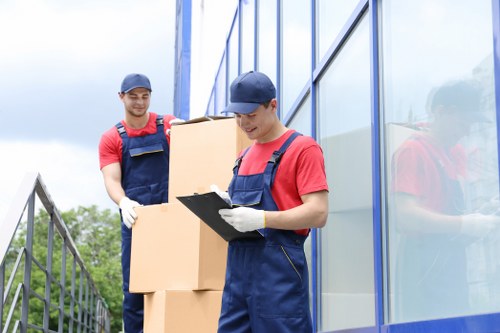 In practice, this means we look for opportunities to sort, separate, and redistribute before we recycle. For example, clean cardboard can be flattened and sent for paper recovery, while reusable office equipment may be offered for donation routes first. In areas where boroughs encourage residents to separate food waste from dry recycling, we adopt a similarly careful mindset with our own streams: keep materials distinct, keep contamination low, and make sure each item reaches the most appropriate destination. That careful sorting is a cornerstone of sustainable storage operations.
Low-carbon vans help us reduce emissions linked to moving materials, collecting items, and supporting operational logistics. Wherever possible, we use efficient vehicles with lower emissions profiles, and we continue to review our fleet choices as cleaner technologies become available. Route planning is also important: grouping trips, reducing empty mileage, and coordinating collections around local transfer stations all contribute to a smaller carbon footprint. These practical steps may seem modest on their own, but together they make a real difference to the environmental performance of Stockwell Storage recycling.
We also recognise that sustainability is not only about what happens to waste, but about preventing waste in the first place. Careful inventory management, reusable packing materials, and clear separation of reusable goods all help reduce the volume of material requiring treatment. Customers using storage often want reassurance that their items are being looked after in a responsible way, and our processes are designed with that in mind. By promoting reuse before recycling, and recycling before disposal, we support a hierarchy of action that aligns with modern environmental expectations.
 Our internal procedures are regularly reviewed to ensure they reflect current best practice. That includes training teams to identify recyclable materials correctly, maintaining clear labels for separate waste streams, and working with local partners that understand borough-specific recycling requirements. Some boroughs place particular emphasis on contamination-free dry recycling, while others are expanding food waste collection or improving the handling of mixed packaging. We keep those regional differences in mind so that our waste handling remains accurate, compliant, and efficient. This attention to detail helps make recycling at Stockwell Storage more effective across the board.
 Sustainability is an ongoing commitment, not a one-off project. As we continue to improve our operations, we will keep aiming higher on recycling rates, expanding charitable reuse partnerships, and making smarter use of low-carbon transport. Our goal is to create a storage environment that supports customers while respecting the wider community and the local environment. By combining careful waste separation, responsible recycling routes, and practical emissions reduction, Stockwell Storage is working toward a cleaner, more circular future.